Donkey Silhouette Vector Illustration: A Guide for Creative Projects
That distinctive, sturdy profile of a donkey carries a surprising amount of character. It’s a shape that immediately evokes hard work, pastoral charm, and a touch of stubborn resilience. A well-crafted Donkey Silhouette Vector Illustration captures all of this in a single, elegant form. This isn't just a simple clipart image; it's a versatile design asset that can bring depth and narrative to a wide array of projects, from rustic branding to modern editorial design.
The Anatomy of a Powerful Silhouette
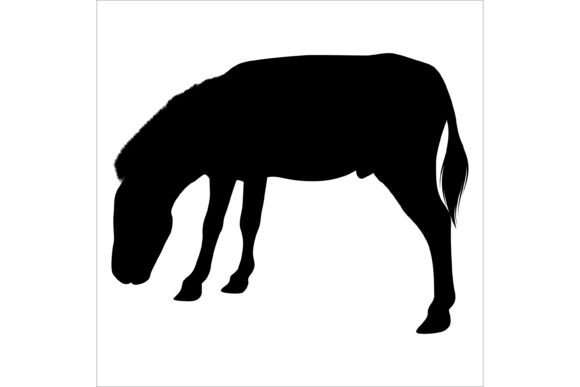
What makes this particular donkey silhouette so effective? It’s all in the details of the vector illustration. The illustration shows the animal in motion, not static. This subtle forward lean suggests purpose and journey, which is far more engaging than a standing pose. The lines are clean and confident, ensuring it scales perfectly from a tiny favicon to a large-format print without losing integrity. The silhouette style itself is a form of modern typography for imagery—it relies on pure shape and negative space to communicate, making it instantly recognizable and memorable. This focus on form over detail is what gives it such broad appeal and timeless quality.
Practical Applications Across Creative Fields
Understanding where to deploy this asset is key to maximizing its value. For brand identity, a donkey silhouette can be a cornerstone for businesses in agriculture, artisan goods, outdoor gear, or even a whimsical café. It works beautifully as a primary logo mark, a secondary brand element, or a repeating pattern for packaging design.
- For Entrepreneurs & Small Businesses: Use it on business cards, letterheads, and product labels to instantly communicate a brand story of authenticity and grit.
- For Marketers & Content Creators: Incorporate it into social media graphics, blog headers, and email newsletters to add thematic depth for content about rural life, sustainability, or perseverance.
- For Publishers & Designers: It’s perfect for chapter headings in books, spot illustrations in magazines, or thematic dividers in editorial design.
- For Crafters & Hobbyists: The vector formats (AI, EPS, SVG) are ideal for vinyl cutting projects—think custom decals, t-shirts, and home decor signs with that perfect rustic decor feel.
This versatility is its greatest strength. It’s not a one-trick pony (or donkey). The same core asset can be adapted to feel vintage, modern, playful, or serious depending on its context and the other design elements it’s paired with.
Making It Work: A Designer's Perspective
Simply having a great asset isn't enough; implementation matters. Here’s how to integrate this vector file effectively. First, consider scale and contrast. A silhouette is high-contrast by nature, so ensure it has enough breathing room in your layout. Don’t crowd it with busy backgrounds or competing elements. Let its strong shape do the talking.
Next, think about font pairing. This is where you can really define the project's tone. Pairing the donkey silhouette with a serif font like a classic display font can evoke a heritage, editorial feel. Combine it with a clean sans serif font, and the mood becomes more contemporary and approachable. For a more organic, handmade vibe, a script font or handwritten font could be the perfect companion. The key is to create a cohesive visual hierarchy where the illustration and typography support each other without conflict.
Finally, leverage the multiple file formats provided. The Adobe Illustrator (AI) and EPS files give you full editability for professional workflows. The SVG is perfect for responsive web design and digital applications, ensuring crispness on any screen. The PDF is great for print proofs, and the JPG offers a quick preview or use in non-vector environments. Having this range means the asset is ready for virtually any output you can imagine.
Choosing Your Vector Asset Wisely
When selecting any premium font or illustration, a few checks are crucial. For this donkey silhouette vector, examine the path quality in the preview. Are the lines smooth? Does it look balanced at a small size? Does it have a compelling sense of movement or character that aligns with your project's goals? For commercial use, always verify the license. A quality asset like this typically comes with a license that allows for broad use in both personal and commercial projects, from client work to merchandise for sale.
Think of this illustration as a creative font for your visual language. Just as you’d test a typeface, test this silhouette. Place it in a mockup of your project. Does it enhance the message? Does it contribute to the desired brand perception? Its ability to convey reliability, countryside charm, or steadfast character can be a subtle but powerful tool in your design assets toolkit. It’s a small element with the potential to make a significant impact on recognition and audience engagement.